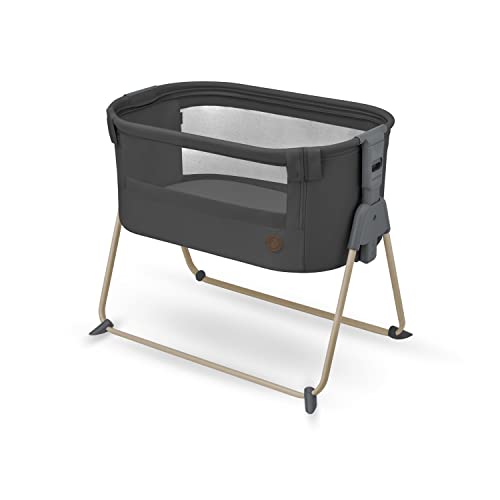
Understanding Cot Sales: A Comprehensive Guide
In the world of parenting and youth, the best sleeping plans for infants can substantially affect their wellness and comfort. One such important item is the cot, a safe and safe space for babies to rest. This post dives into the intricacies of cot sales, highlighting essential factors, types of cots available, and market trends.
The Significance of Cots
Cots work as a sanctuary for babies and young children, providing a safe and comfortable sleeping environment. They are created to make sure that children are protected while sleeping, allowing moms and dads to have comfort. As such, comprehending cot sales is important for parents and guardians looking to purchase the very best sleeping service for their children.
Why the Demand for Cots Is High
There are a number of reasons for the increasing demand for cots, including:
- Health and Safety Regulations: Parents are now more familiar with health and wellness requirements when it pertains to infant sleeping arrangements. This awareness has led to a need for cots that follow strict safety standards.
- Range of Designs: Modern cots are available in a variety of styles, colors, and materials, dealing with numerous aesthetic preferences and home interiors.
- Transitioning to Toddler Beds: As children grow, convertible cots are becoming popular. These can change from cots to young child beds, extending their use.
- E-commerce Growth: The increase of online shopping choices has actually made it much easier for moms and dads to access a wide variety of cots without geographical constraints.
Kinds Of Cots Available in the Market
The cot market is diverse, including different types customized to various requirements, preferences, and budget plans. Below is a breakdown of typically available cots:
| Type of Cot | Features | Normal Price Range |
|---|---|---|
| Requirement Cot | Basic design, repaired sides, ideal for newborns | ₤ 100 - ₤ 300 |
| Convertible Cot | Changes into a young child bed, grows with the child | ₤ 200 - ₤ 600 |
| Portable Cot | Light-weight, easily movable, perfect for travel | ₤ 50 - ₤ 200 |
| Crib | Smaller size, typically with a drop-side for simple access | ₤ 150 - ₤ 500 |
| Co-Sleeper | Attaches to the moms and dads' bed for simple gain access to | ₤ 150 - ₤ 400 |
| Bassinette | Smaller, suitable for babies (approximately 3-4 months) | ₤ 70 - ₤ 200 |
Aspects to Consider When Buying a Cot
When buying a cot, a number of essential factors must be taken into account to make sure that it meets security and comfort requirements:
- Safety Standards: Ensure the cot meets the security guidelines set by your nation's requirements. Try to find accreditations and compliance labels.
- Material Quality: Opt for cots made from durable, non-toxic products to ensure the safety and longevity of the cot.
- Adjustable Features: Look for models with adjustable mattress heights to accommodate your growing kid.
- Bedding Compatibility: Ensure the cot can fit standard bed mattress sizes, making it simpler to find bedding devices.
- Ease of Assembly: Consider how easy the cot is to put together and dismantle. This is especially essential for portable cots.
Existing Trends in Cot Sales
Understanding market trends can offer insights into what to anticipate in cot sales moving on. Some current patterns consist of:
- Sustainable Materials: There's an increasing demand for eco-friendly cots made from sustainable products and non-toxic finishes, appealing to environmentally conscious parents.
- Personalized Options: Many manufacturers are now offering adjustable cots, enabling parents to choose colors, features, and even engravings.
- Innovation Integration: Some modern cots are geared up with functions like sound makers, wise monitors, and temperature level control to boost the sleeping experience.
Regularly Asked Questions (FAQs)
1. What is the best age to shift from a cot to a bed?
The general recommendation is to transition when a child is between 2.5 to 3.5 years old, depending upon their comfort and preparedness.
2. For how long can a baby use a cot?
Most cots are ideal for babies up until they reach around 3 years of ages, or till they can climb up out securely.
3. What security features should I look for in a cot?
Look for strong construction, slats no greater than 2.5 inches apart, rounded edges, and a stable mattress support group.
4. Are second-hand cots safe to buy?
It depends. If the cot fulfills existing safety standards, is in good condition, and does not have any recalls, it can be safe. Constantly look for wear or damage.
5. How much should I anticipate to invest in an excellent quality cot?
Costs can differ significantly, ranging from ₤ 100 for basic designs to ₤ 600 or more for high-end or convertible choices.
As the marketplace for cots continues to progress, manufacturers are reacting to growing parental need for safety, comfort, and design. Understanding the subtleties of cot sales is necessary for making informed purchasing decisions. Keep Reading and dads should weigh their alternatives, consider their spending plan, and stick to safety standards to secure the best sleeping service for their kid. With many alternatives available, moms and dads can discover the perfect cot that caters to both the needs of their child and their home's visual.
By staying notified and knowledgeable about market trends, parents can guarantee that their financial investment resonates with both functionality and style in their parenting journey.